When you’re missing teeth, choosing between implants and dentures can feel overwhelming. Both options can restore your smile and help you eat comfortably again, but they work very differently. The choice between these tooth replacement options affects everything from your daily comfort to your long-term oral health, and with that in mind, you might be wondering which choice is the “better” one.
When it comes to choosing between dentures or implants for your smile restoration, there’s no such thing as a universally “better” option. The right choice for you depends on your specific situation, health, and preferences. Our team at Grand West Dental can discuss your specific needs and help you decide which option is right for you.
What Are Dental Implants & Dentures?
How Dental Implants Work
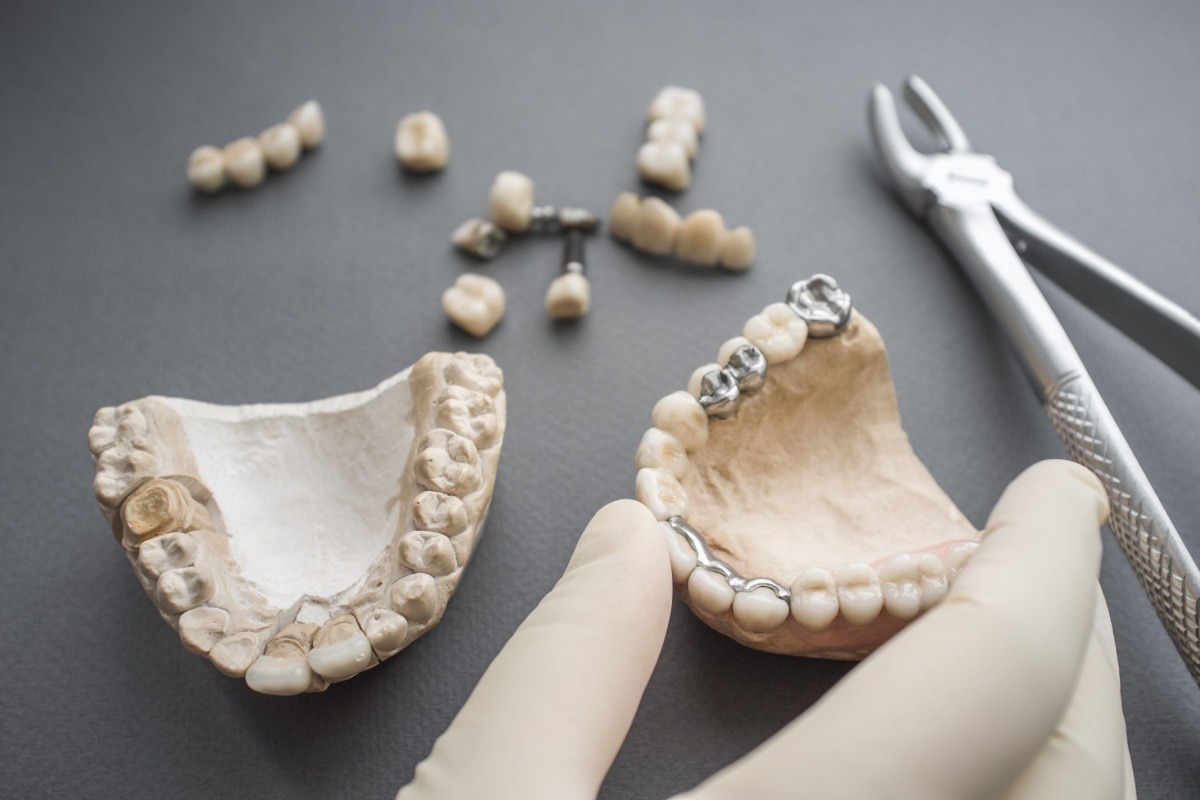
Dental implants replace both the root and crown of missing teeth. A titanium post gets surgically placed into your jawbone, where it fuses with the bone over several months. This process, known as osseointegration, creates a stable foundation that mimics your natural tooth root.
Once the implant heals, your dentist attaches a crown that looks and functions much like a natural tooth. This creates a long-term solution that doesn’t come out of your mouth like a denture does. The whole process typically requires several appointments over the course of a few months.
How Dentures Work
Dentures are removable appliances that replace 1 or multiple missing teeth. They sit on top of your gums and stay in place through suction or dental adhesive. Modern dentures are designed to be more comfortable and natural-looking than ever before.
You can get partial dentures if you’re missing some teeth, or complete dentures if you’re missing all teeth in your upper or lower jaw. You take them out each night for cleaning and soaking, and they can often be made for you in just a few appointments.
Comfort & Function: Implants vs Dentures
Daily Eating & Speaking
Implants function a lot like your natural teeth. After an adjustment period, many patients are able to return to a wide variety of foods, and your speech remains clear and natural. The stability provided by dental implants often reduces concerns about slipping or movement during meals.
Dentures may slip when you eat certain foods or speak, especially during the first few weeks. You might need to avoid sticky or hard foods that could dislodge your dentures or cause discomfort. However, properly fitted dentures can still provide good function for most daily activities.
Long-Term Comfort
Because implants integrate with your jawbone, they often cause less gum irritation than dentures sometimes do. They also help preserve your jawbone by stimulating it when you chew, reducing the bone loss that often occurs with missing teeth.
Dentures often require an adjustment period as your mouth adapts to the new appliance. Some people experience initial soreness or difficulty speaking, though these issues typically improve as you heal. Proper denture care and regular dental visits help maintain comfort over time.
Durability & Maintenance Requirements
Lifespan Comparison
Dental implants can last decades with proper care, though everyone is different. The crown portion might need replacement after 10–15 years, but implants themselves have high long-term success rates. This makes dental implants a long-term investment in your oral health.
Dentures typically need replacement every 5–10 years as your mouth shape changes and the appliance wears down, and you may also need adjustments throughout this time. Understanding denture longevity helps you plan for future dental care needs.
Daily Care Routines
You care for implants much like natural teeth: Brush twice daily, floss regularly, and visit your dentist for checkups. Following proper brushing and flossing techniques helps maintain implant health for decades.
Dentures need daily cleaning with special solutions and brushes designed for the appliance material. You’ll soak them overnight in cleaning solution and rinse them before putting them back in your mouth. Regular dental cleanings remain important for monitoring your oral health.
Cost Considerations Over Time

Initial Investment
Implants require a greater investment than dentures because of the surgical procedure, implant post, and crown, which create higher initial costs. Understanding dental implant costs can help you budget for this investment in your oral health.
Dentures cost less initially and sometimes have better insurance coverage. Many dental plans cover a portion of denture costs, making them more accessible for immediate budgets. The Canadian Dental Care Plan may help reduce out-of-pocket expenses for eligible patients.
Long-Term Financial Impact
When you factor in denture replacements, adjustments, and adhesives over 20–30 years, the total cost of dentures can sometimes become comparable or higher than that of implant treatment. Implants typically require fewer follow-up appointments and replacements, which can make them more cost-effective over time.
However, your personal financial situation and insurance coverage can significantly impact which option makes more sense for your budget right now.
Considerations with Each Option
When Implants May Not Be Recommended
You need sufficient bone density in your jaw to support implants. If you’ve had missing teeth for many years, your bone may have deteriorated too much for successful implant placement. Your dentist can assess bone health through dental X-rays and clinical examination.
Certain medical conditions, like uncontrolled diabetes or heart disease, can interfere with healing after implant surgery. Your dentist can evaluate whether your health makes you a good candidate.
Ideal Candidates for Dentures
If you’re missing many teeth, dentures can replace them all in a single appliance. Comparing dentures and implants, as well as talking to your dentist, helps determine the right option for your situation.
Some people prefer avoiding surgery altogether, making dentures an attractive option for tooth replacement. Partial dentures work well for patients missing several teeth in specific areas of their mouth.
Schedule Your Consultation
Whether you choose implants or dentures, Grand West Dental can help you restore your smile with personalized recommendations. We work closely with the nearby Denture Centre to coordinate your care, and we provide oral surgery referrals to make sure you get all the treatment you need. Schedule a consultation with our team to explore your tooth replacement options.