Grand West Dental patients often ask our team how long a crown lasts when considering it as a restoration option. How long your tooth crown lasts depends on the material used and how well it’s cared for. We’ve been helping families in Chatham, Ontario, understand their restorative dentistry options since 1977, so we are here to walk you through every step of the process.
Most crowns last 10–15 years with proper care, but factors like your daily habits, the crown’s location in your mouth, and regular dental maintenance can significantly impact how long your crown serves you.
Tooth Crowns & Why You Might Need One
Protection for Damaged Teeth
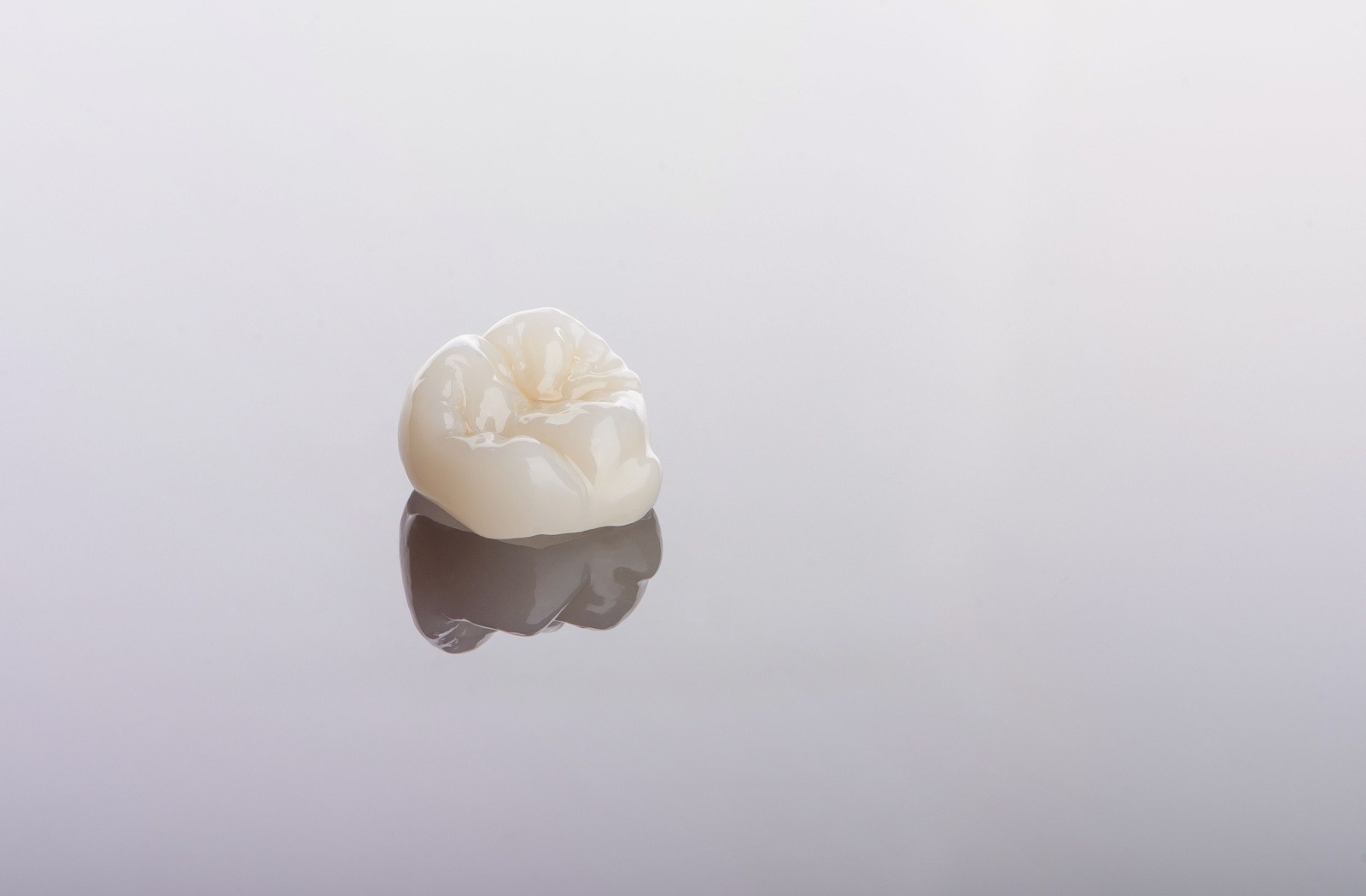
A tooth crown acts like a protective cap that covers your entire tooth above the gum line. The crown is designed to restore your tooth’s shape, size, and strength while improving its appearance. Your dentist cements the crown permanently over your prepared tooth, which helps you bite and chew normally while protecting the underlying tooth structure from damage.
Common Situations That Require Crowns
You might need a crown after a root canal treatment to protect the weakened tooth structure. Large fillings that compromise more than half of your tooth can also benefit from crown protection.
Crowns are designed to restore severely worn, cracked, or broken teeth that can’t be fixed with simple fillings. Your dentist might also recommend crowns to improve the appearance of misshapen or severely discoloured teeth.
How Long Crown Materials Last
Porcelain Crowns
Porcelain crowns offer the most natural appearance and blend seamlessly with your surrounding teeth. These crowns work particularly well for front teeth, where appearance matters most.
You can expect porcelain crowns to last 10–15 years with proper care. However, porcelain can chip or crack under heavy pressure, which sometimes makes these crowns less suitable for back teeth that handle significant chewing forces.
Metal Crowns
Gold, platinum, and other metal alloy crowns provide great durability and longevity. These crowns rarely chip or break and can withstand heavy chewing forces without wearing down.
Metal crowns typically last 15–20 years or longer due to their strength. The main drawback is their metallic colour, which makes them more noticeable for visible teeth.
Porcelain-Fused-to-Metal
These crowns combine metal strength with porcelain aesthetics by placing a porcelain layer over a metal base. This design offers stronger durability than all-porcelain crowns while maintaining a natural appearance.
You can expect 10–15 years from porcelain-fused-to-metal crowns. However, the porcelain portion can still chip, and you might notice a dark line at the gum line over time, as some people’s gums naturally recede with age.
Zirconia Crowns
Zirconia crowns provide strength while maintaining a tooth-coloured appearance. This material offers durability similar to metal crowns with aesthetics that more people find appealing.
These crowns typically last 15–20 years and often resist chipping better than traditional porcelain. Zirconia crowns work well for both front and back teeth, making them a versatile option for many situations.
Factors That Affect Crown Lifespan

Your Daily Habits & Oral Care
Your oral hygiene routine directly impacts how long your crown lasts. Regular brushing and flossing help prevent bacterial buildup around your crown. Clean teeth and healthy gums provide a stable foundation that can extend the life of your crown.
Grinding or Clenching Your Teeth
Teeth grinding and clenching put excessive pressure on your crowns, leading to premature wear, chips, or cracks. This habit can affect your natural teeth and any restorations you have. Night grinding can be particularly damaging since you can’t control the force. Your dentist can provide a custom night guard to protect your crowns and natural teeth from grinding damage.
Foods You Eat & Drinks You Consume
Hard foods like ice, nuts, and some candies can chip or crack your crown. Sticky foods might pull at crown edges or work underneath loose margins.
Acidic drinks and foods can contribute to decay around crown margins over time. Limiting these foods and rinsing with water afterwards helps protect both your crown and surrounding tooth structure.
Location of the Crown in Your Mouth
Your back teeth experience much greater chewing forces than front teeth, because your molars handle the heavy work of crushing and grinding food during meals. This can impact crown lifespan.
Crowns on front teeth typically experience less stress and may last longer than those on back teeth. However, front tooth crowns face different risks, like potential trauma from accidents or contact sports.
Signs Your Crown Needs Replacement
Pain or Sensitivity Around the Crown
New discomfort or sensitivity around your crown may indicate decay beneath it or a loose crown. Gradual temperature sensitivity might signal a problem with the crown seal.
Pain when biting down can suggest crown damage or issues with the underlying tooth. Don’t ignore persistent discomfort: Contact your dentist in Chatham for an evaluation.
Visible Wear, Chips, or Cracks
Small chips might be repairable, but larger cracks or significant wear typically require crown replacement, as damage can allow bacteria to enter and cause decay.
Even minor chips can worsen over time, so it’s a good idea to have your dentist examine any crown damage you notice. Early intervention can sometimes prevent the need for complete crown replacement.
If Your Crown Feels Loose or Moves
A loose crown requires immediate attention to prevent further damage to the underlying tooth. Movement can indicate that the cement bond has failed or the tooth structure has changed.
If your crown feels loose, don’t wait: Contact your dentist right away. A loose crown that falls out completely can expose the prepared tooth to damage and sensitivity.
Dark Lines at the Gum Line
Dark lines along the gum line often appear with porcelain-fused-to-metal crowns as gums naturally recede over time. This exposes the metal margin underneath the porcelain.
While not always a functional problem, these dark lines can be aesthetically concerning, especially on front teeth. Your dentist can discuss replacement options if the appearance bothers you.
How to Make Your Crown Last Longer
Daily Brushing & Flossing Routine
Brush your crowned tooth just like you would your natural teeth, using fluoride toothpaste 2 times a day. Pay special attention to the gum line where the crown meets your natural tooth.
Floss daily around your crown to remove plaque and food particles. Proper flossing helps prevent gum disease and decay that can compromise your crown’s foundation.
Avoid Hard Foods & Ice Chewing
Skip chewing ice, hard candies, or using your teeth to open packages. These habits can crack or chip your crown just as they can damage natural teeth.
Cut hard foods into smaller pieces rather than biting into them directly. This simple change reduces stress on your crowns and helps them last longer.
Regular Dental Checkups
Schedule regular checkups and cleanings to monitor your crown’s condition. Your dentist can spot early signs of wear or problems before they become serious. Professional cleanings also remove plaque and tartar that regular brushing can miss, helping to maintain the health of your crown and the surrounding teeth.
Protect Your Crown from Grinding
If you grind your teeth, wear a custom night guard. This protective appliance distributes pressure evenly and prevents crown damage from grinding forces. If you clench your teeth during the day, it might be a good idea to consider stress management techniques. Reducing teeth clenching helps protect your crowns and prevents jaw muscle tension.
Crown Problems & Solutions
What Happens if Decay Forms Under the Crown
Decay can develop under a crown if bacteria enter through gaps or damaged margins. Your dentist might need to remove the crown to treat the decay and assess the remaining tooth structure.
Treatment depends on the extent of damage. Minor decay may just mean a crown replacement, while extensive damage could require root canal treatment. In severe cases, tooth extraction might be necessary.
Repairs and Replacements
Small chips in porcelain crowns can sometimes be repaired with bonding material, but larger chips or cracks typically require complete crown replacement. Your dentist can evaluate the location and the extent of the damage to determine if a repair is possible. It’s also important to note that repairs are typically temporary solutions, and replacing the crown eventually might be necessary.
Emergency Care for Loose or Lost Crowns
If your crown becomes loose or falls out, keep it safe and contact your dentist immediately. Avoid chewing on that side and protect the exposed tooth from very hot or cold food. Your dentist might be able to re-cement the original crown if it’s undamaged and fits properly.
Learn About Your Restorative Dentistry Options
Grand West Dental has provided comprehensive dental care to the Chatham–Kent region of Ontario since 1977, including crown placement and maintenance. Our experienced team can evaluate your crown needs and help you choose the right material for your situation. Schedule your consultation and learn how a crown can help you maintain your smile for years to come.