
Key Takeaways
- A dental crown is a cap that covers and protects a damaged tooth.
- Temporary crowns are more delicate, so chew on the other side and choose soft foods.
- You can brush and floss a permanent crown like your natural teeth.
- Habits like nail biting and night grinding can put stress on a crown.
- Call your dentist if a crown feels loose, cracks, or comes off.
You just left the dental chair with a new crown, and your cheek still feels numb. Now you’re wondering what you can eat for dinner and how to brush around it. The team at Grand West Dental, trusted by families across Chatham-Kent since 1977, often hears these questions after crown appointments.
To care for a dental crown, go easy on it for the first few days, brush and floss it like your natural teeth, avoid hard and sticky foods while you wear a temporary, and keep your regular checkups. If something feels off, call the team about urgent dental concerns.
What Is a Dental Crown?
A dental crown is a cap that fits over a damaged tooth. It covers and protects the tooth, and it helps rebuild the tooth’s strength, shape, and size. Crowns are also a common final step after root canal therapy.
Most crowns take two visits, with a temporary crown in place while your permanent one is made.
Temporary Crowns vs. Permanent Crowns
If your crown takes more than one visit, you’ll likely wear a temporary crown first. It holds the space until your permanent crown is ready, usually for a few weeks.
Temporary materials are more delicate, so a temporary crown needs a little extra care.
How Long Can a Crown Last?
With good care, a crown can last 10 to 15 years. Your dentist in Chatham can check its condition at each regular visit.
Do’s & Don’ts Right After Your Crown Appointment
Your lips, tongue, and cheek may still feel numb for a while after your visit, so keep these tips in mind:
- Skip hot foods and drinks until the numbness wears off.
- Chew slowly to avoid biting your tongue or cheek by accident.
- Avoid sticky foods for 24 hours after a permanent crown is placed.
Comfort Tips for the First Few Days
Some tenderness around the tooth is normal, and you might notice it when you chew or when your toothbrush brushes past the gums.
Over-the-counter pain relievers, taken as directed, can help you feel more comfortable. A toothpaste for sensitive teeth may also help.
How to Care for a Temporary Crown
While you wear a temporary crown, treat that side of your mouth gently. Chew on the opposite side when you can.
Soft foods like soup, yogurt, and mashed potatoes make easy choices for lunch and dinner.
Foods to Skip for Now
A few foods can be tough on a temporary crown, so set these aside until your permanent crown is in place:
- Hard foods like nuts, ice, and popcorn.
- Sticky foods like caramel and chewing gum.
- Acidic foods and drinks. If you have them, rinse with water afterward.
Gentle Brush & Floss Tips
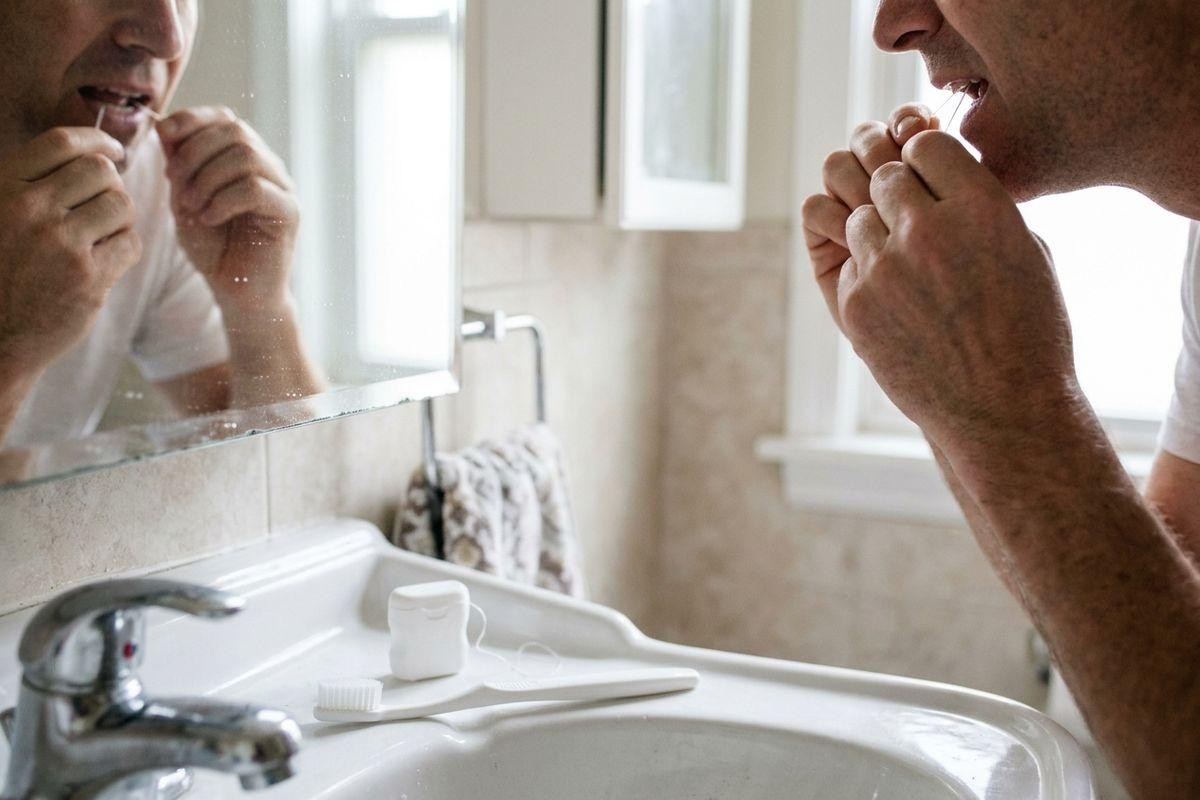
Keep brushing and flossing around your temporary crown. A few small changes can help:
- Use a soft-bristled toothbrush and brush in gentle circles near the gumline.
- Slide your floss out sideways instead of pulling it back up.
- Finish with a fluoride mouthwash.
Daily Habits to Protect Your Permanent Crown
Once your permanent crown is in place, your routine can look a lot like it did before.
Simple Daily Do’s
Brush and floss your crown the same way you care for your natural teeth. Keep all follow-up and checkup appointments, too.
Regular visits with your family dentist in Chatham give the team a chance to look at your crown and the gums around it.
Habits to Leave Behind
Some everyday habits put extra stress on a crown, so watch for these:
- Biting your nails, chewing on pens, or opening packages with your teeth.
- Grinding or clenching at night, so ask the team about a bite guard.
- Playing contact sports without a custom-fitted mouthguard.
When to Call Your Dentist in Chatham
A little tenderness is expected after a crown appointment. However, some changes are worth a call to the team:
- Swelling or bleeding that seems excessive.
- Severe pain that lasts or spreads.
- A crown that feels loose, cracks, or comes off.
- A bite that feels high or uneven when you close your teeth.
Getting Help Quickly
Small problems are easier to fix when they’re caught early. If something feels wrong, call the team so they can see you as soon as possible. If your temporary crown falls off, bring it with you to your appointment.
Questions About Cost & CDCP Coverage
Crown costs vary based on your individual needs, and the dental team can explain what to expect before treatment begins.
Grand West Dental participates in the Canadian Dental Care Plan, which covers crowns with preauthorization. If you’re searching for a CDCP dentist in Chatham, the team can help with the preauthorization step and explain whether you’ll have a co-pay.
Your Next Step With Grand West Dental
A crown can serve you well with simple daily care, a few thoughtful food choices, and regular checkups. Grand West Dental has cared for families in Chatham and the surrounding area since 1977. The team of dentists serves patients in English and French.
If you have questions about your crown or want to book a checkup, call Grand West Dental to schedule your visit. New patients are always welcome.