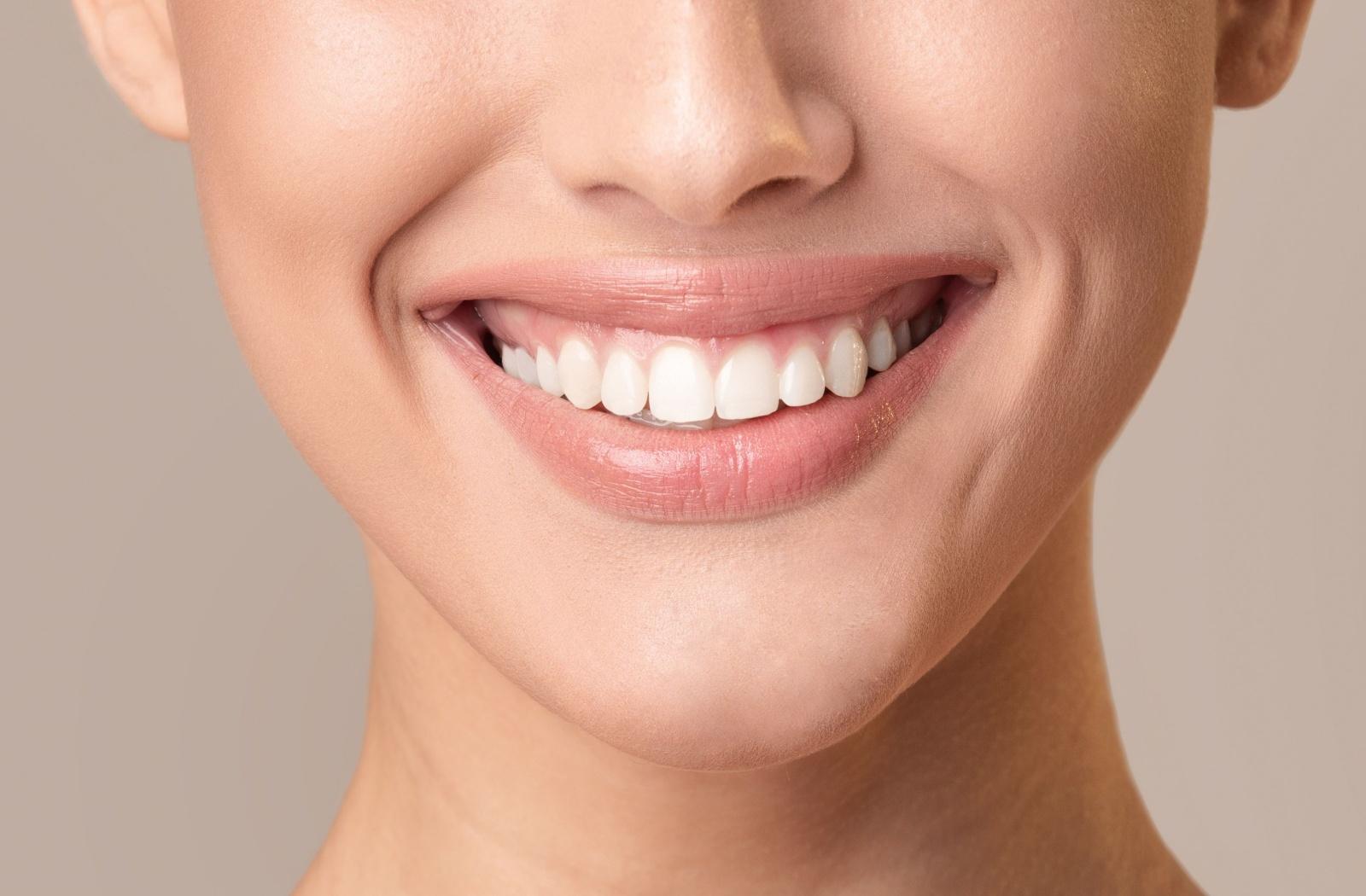
You’ve probably wondered whether that bright, pearly-white smile comes at the cost of your tooth enamel. At Grand West Dental, we understand this concern, especially when you see countless whitening products promising dramatic results.
Professional teeth whitening, when done correctly, doesn’t permanently damage your enamel, but improper use of whitening products can weaken this protective layer. It’s important to understand how different whitening methods affect your teeth and choose the right approach for your situation.
What Happens to Your Enamel During Teeth Whitening
How Whitening Agents Work on Your Teeth
Whitening agents contain peroxide compounds that break down stain molecules in your teeth. These compounds penetrate through your enamel to reach the dentin layer underneath. The process temporarily increases how permeable your enamel is, which is why your teeth might feel more sensitive afterward.
The Difference Between Surface Stains & Deep Stains
Surface stains from coffee, tea, or wine sit on top of your enamel and often respond well to gentle whitening methods. Deep stains from medications or age can penetrate into the tooth structure and require stronger treatments. Your dentist can identify which type of staining you have and recommend the right treatment for you.
Professional vs At-Home Whitening: Enamel Safety Comparison
In-Office Whitening & Enamel Protection
Professional whitening treatments use controlled concentrations of whitening agents under careful supervision. Your dentist can monitor the process to prevent overexposure and apply protective barriers to your gums. This controlled approach minimizes the risk of enamel damage while achieving results you’ll love.
Over-the-Counter Products & Potential Risks
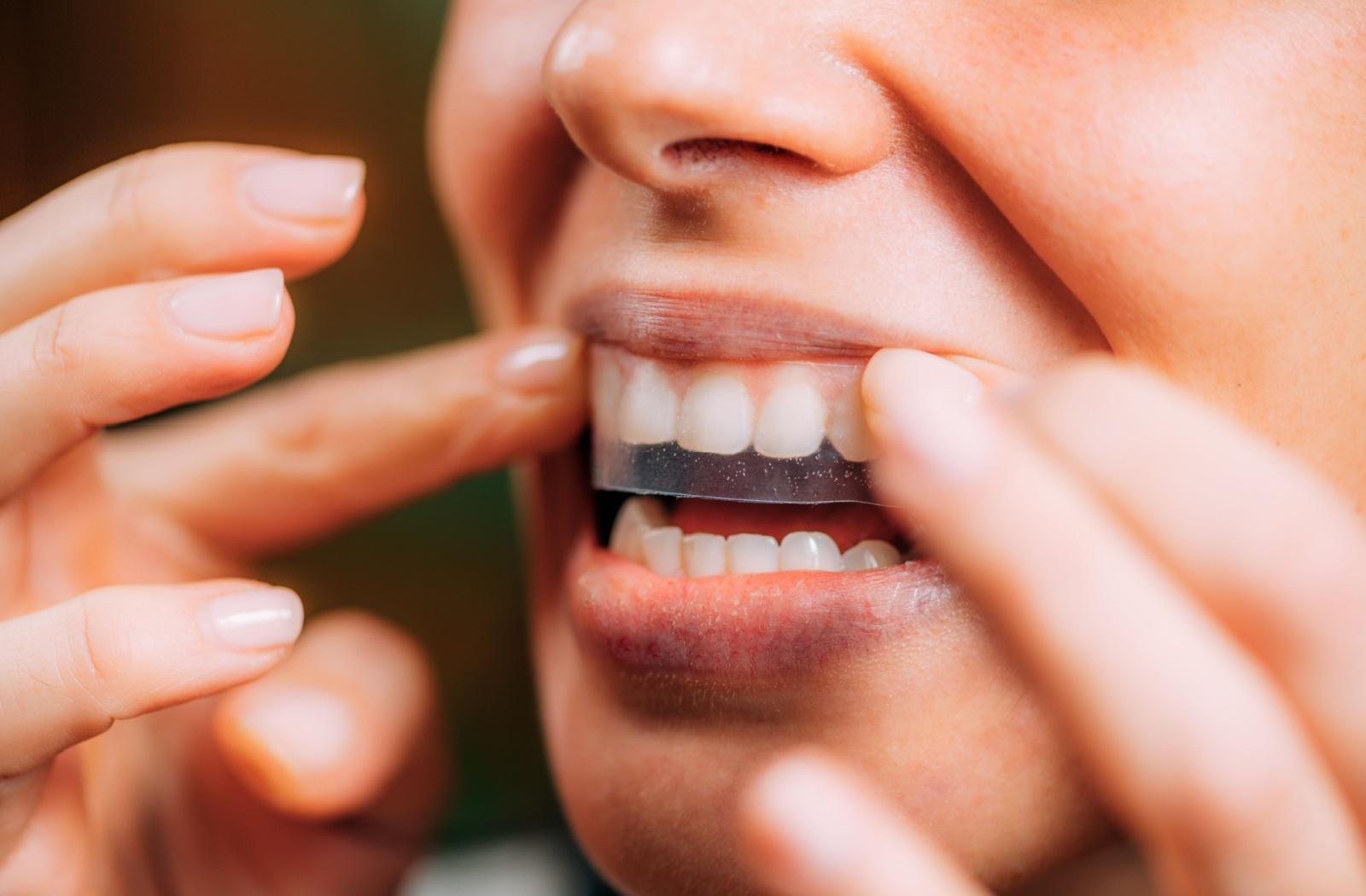
Without professional guidance, you might use store-bought whitening strips, gels, and toothpastes too frequently or for too long, which can contribute to enamel damage and increased tooth sensitivity over time.
Custom Tray Systems from Your Dentist
Custom whitening trays from your dentist provide a middle ground between professional treatments and over-the-counter options. The trays fit your teeth precisely, preventing gel from unnecessarily touching your gums. Your dentist can also provide the appropriate gel concentration for your specific needs and enamel condition.
Signs Your Enamel May Be Damaged
Tooth Sensitivity After Whitening
Some sensitivity after whitening is normal and usually subsides within 24–48 hours. During this period, try to avoid anything very hot or very cold, and instead stick to room-temperature foods and drinks.
When Sensitivity Becomes a Concern
Contact your dentist if sensitivity lasts more than a few days or becomes severe. Prolonged sensitivity can indicate enamel damage or an underlying dental issue. Sharp, shooting pains or constant discomfort aren’t normal reactions to whitening treatments and may require professional evaluation.
Visual Changes to Watch For
Healthy enamel has a smooth, glossy appearance, even after whitening. Look for changes such as white spots or chalky areas along the edges of the teeth. These changes may signal enamel weakening and require professional evaluation.
How to Protect Your Enamel During Whitening
Pre-Treatment Steps Your Dentist Takes
Your dentist examines your teeth for existing enamel damage, cavities, or worn areas before whitening. They may recommend fluoride treatments to help strengthen and protect your enamel beforehand. Any necessary dental work should be completed before whitening begins to protect vulnerable areas.
Proper Application Techniques
Professional application involves precise timing and careful placement of whitening agents. Your dentist uses barriers to protect your gums and monitors your comfort throughout the process. They can adjust the treatment intensity if you experience unexpected sensitivity.
Post-Whitening Care for Your Enamel
After whitening, your dentist may apply fluoride gel to help seal your enamel and reduce sensitivity. They’ll provide specific instructions about foods and drinks to avoid for the first 24–48 hours. Following these guidelines helps your enamel recover and maintains your whitening results.
Safe Whitening Alternatives for Sensitive Enamel
Gradual Whitening Options
If you have sensitive enamel, your dentist might recommend lower-concentration treatments over longer periods. This approach achieves whitening results while giving your enamel time to adapt. Gradual treatments often cause less sensitivity than intensive whitening sessions and work well with restorative dental treatments.
Other Methods
Regular professional cleanings can help remove surface stains without using chemical whitening agents. Some dentists recommend whitening toothpastes with gentle polishing agents, which work more slowly, but also come with less risk to your enamel. It’s all about finding the right option for your unique smile.
When to Avoid Whitening Treatments
You should avoid whitening if you have exposed tooth roots, extensive dental work, or severely worn enamel. Pregnant or nursing women are often advised to postpone whitening treatments as a precaution. Your dentist can suggest alternative cosmetic options like veneers or bonding if whitening isn’t suitable.
Maintaining Your Results
Foods & Drinks to Limit
Coffee, red wine, and dark berries can contribute to tooth stains over time. Acidic foods and drinks like citrus fruits and sodas can weaken enamel and make staining easier. You don’t need to eliminate these completely, but moderation helps maintain your whitening results and prevents tooth discoloration.
Daily Habits That Help Protect Your Enamel
There are a few simple habits that you can try to protect your enamel for the long-term. Try our top tips:
- Use a soft-bristled toothbrush and fluoride toothpaste to clean your teeth without scratching the enamel.
- Drink staining beverages through a straw when possible to reduce contact with your teeth.
- Wait at least 30 minutes after eating or drinking acidic foods or beverages before brushing, to avoid damaging the enamel.
Professional Maintenance Options
Regular dental cleanings help maintain your whitening results and monitor your enamel health. Your dentist can provide touch-up treatments as needed without overdoing the whitening process. They can also apply protective fluoride treatments to keep your enamel strong.
Schedule Your Professional Whitening
Professional teeth whitening can help you achieve the brighter smile you want without damaging your enamel. Our experienced team at Grand West Dental has been helping Chatham residents achieve beautiful, healthy smiles since 1977 using safe, effective whitening methods. Ready for your brightest smile yet? Schedule a consultation today.